
Barcelona is one of the busiest yachting hubs in the western Mediterranean. Boats are bought and sold here, refitted here and based here for the season. A yacht delivery to or from Barcelona often starts or ends a much longer voyage: north to the Côte d’Azur, out to the Balearics, or south along the Spanish coast to Málaga and Gibraltar. This guide covers the main routes, the weather that shapes them and what to plan before the lines come off.
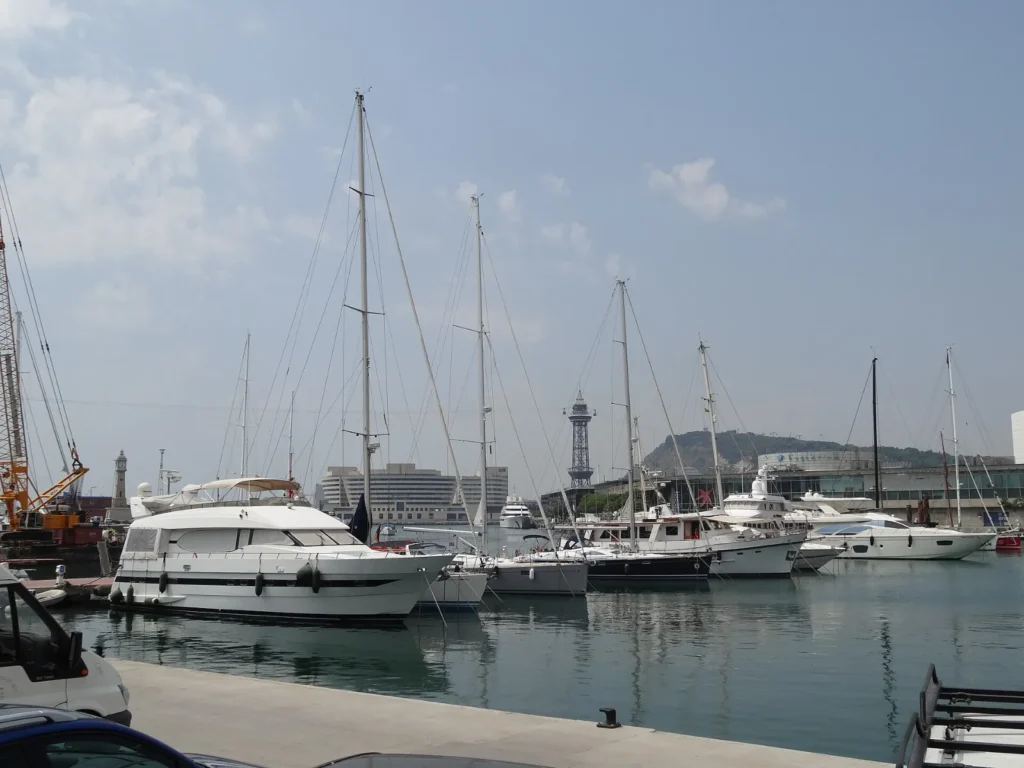
Why Barcelona and the Costa Brava matter for yacht deliveries
Catalonia has a dense network of marinas, from the large superyacht berths in Port Vell to smaller harbours such as Port Ginesta, Port Olímpic and Badalona. Further north, the Costa Brava runs from Blanes to the French border with harbours like Palamós, L’Estartit and Roses. That makes the area a natural starting point for buyers collecting a boat, for owners moving between seasonal bases and for yards delivering after a refit.
Common routes and typical distances
Distances below are approximate straight-line or coastal figures. The real distance depends on the chosen route, the weather and fuel or rest stops.
- Barcelona – Palma de Mallorca: roughly 110–130 nm. Usually one overnight passage. See our Mallorca and Balearic Islands delivery guide.
- Barcelona – French Riviera (Antibes, Cannes, Nice): roughly 250–280 nm across or around the Gulf of Lion. More in our Côte d’Azur yacht delivery guide.
- Barcelona – Málaga: about 450–500 nm along the Spanish coast via Valencia, Cabo de Palos and Cabo de Gata. See yacht delivery to Málaga and the Costa del Sol.
- Barcelona – Gibraltar and the Atlantic: the coastal route continues west through the Strait. Read our Strait of Gibraltar passage guide.
Boats arriving from northern Europe via the French inland waterways usually reach the Mediterranean at Port-Saint-Louis-du-Rhône or Sète. From there it is a short coastal hop to Catalonia. Our guide to the French canals with the mast down explains that route.
Weather: the Tramontana and the Gulf of Lion
The single biggest factor on this coast is the Tramontana, a cold north to north-westerly wind that funnels between the Pyrenees and the Massif Central. It is closely linked to the Mistral further east. Around Cap de Creus and across the Gulf of Lion it can build a short, steep sea very quickly, even under a clear sky.
For a delivery this means:
- Plan the Gulf of Lion crossing in a clear weather window and keep a sheltered alternative such as Roses, Port-Vendres or Sète.
- Expect delays of a day or more in winter and spring, when Tramontana and Mistral episodes are most frequent.
- Check several forecast models rather than relying on one app. Our weather routing guide explains how professional crews decide.
For a wider overview of local winds, see the Mediterranean winds sailing guide.
Protected areas and anchoring
The coast between Barcelona and France includes several protected areas, among them the Cap de Creus Natural Park and the marine reserve around the Medes Islands off L’Estartit. Anchoring and mooring are regulated in these zones, and seagrass meadows are protected along much of the Spanish coast. A delivery crew should plan overnight stops in marinas or approved anchorages. Our article on Posidonia anchoring rules covers what to watch for.
Marinas, berths and timing
Barcelona marinas are busy, especially from May to September and during major events. A few practical points:
- Book a visitor berth for departure or arrival in advance, especially for boats over 20 metres.
- Confirm fuel dock opening hours and whether the dock can take your draft.
- Allow time for paperwork if the boat has just been bought or has come out of a refit. See our guide to buying a yacht abroad and getting it home.
Autumn is a popular time to move boats south to a winter base, while spring is busy with boats heading to the Balearics and the Riviera for the season. Read more in our yacht delivery calendar.
How Nordic Crew Worldwide plans a Barcelona delivery
Our Scandinavian captains are based in Málaga, so the Spanish Mediterranean coast is home water. A typical plan includes a route and weather assessment, fuel and stop planning, a pre-departure check of the boat and a clear handover at the destination. If you want a price, our guide on what information we need for a quote shows what to send, and yacht delivery cost explains what affects the price.
Related guides
- Mediterranean yacht delivery routes
- Wintering a yacht in the Mediterranean
- How long does a yacht delivery take?
- How to prepare your yacht for delivery
- Valencia and Costa Blanca delivery guide
Frequently asked questions
How far is it from Barcelona to Mallorca by yacht?
Roughly 110–130 nautical miles depending on the departure marina and the destination in Mallorca. Most yachts cover it in one overnight passage.
What is the Tramontana and why does it matter for a yacht delivery?
The Tramontana is a strong, cold north to north-westerly wind on the Catalan coast and in the Gulf of Lion. It can create steep seas quickly, so deliveries are timed around it and keep sheltered harbours as alternatives.
How long does a yacht delivery from Barcelona to Málaga take?
The coastal route is about 450–500 nautical miles. A motor yacht can often do it in two to four days including fuel stops; a sailing yacht usually needs four to six days, depending on the weather.
Can you deliver a yacht from Barcelona to the French Riviera?
Yes. The passage is roughly 250–280 nautical miles across or around the Gulf of Lion and is planned around a suitable weather window.