
Short answer: a yacht delivery to Mallorca or the other Balearic Islands usually starts from the Spanish mainland — Barcelona, Valencia, Dénia or our home base in Málaga — or comes down from France across the Gulf of Lion. From Barcelona it is one night at sea, from Málaga two to three days. Spring and autumn give the best balance of weather and berth availability, and once you arrive, the strict rules on anchoring over seagrass apply.
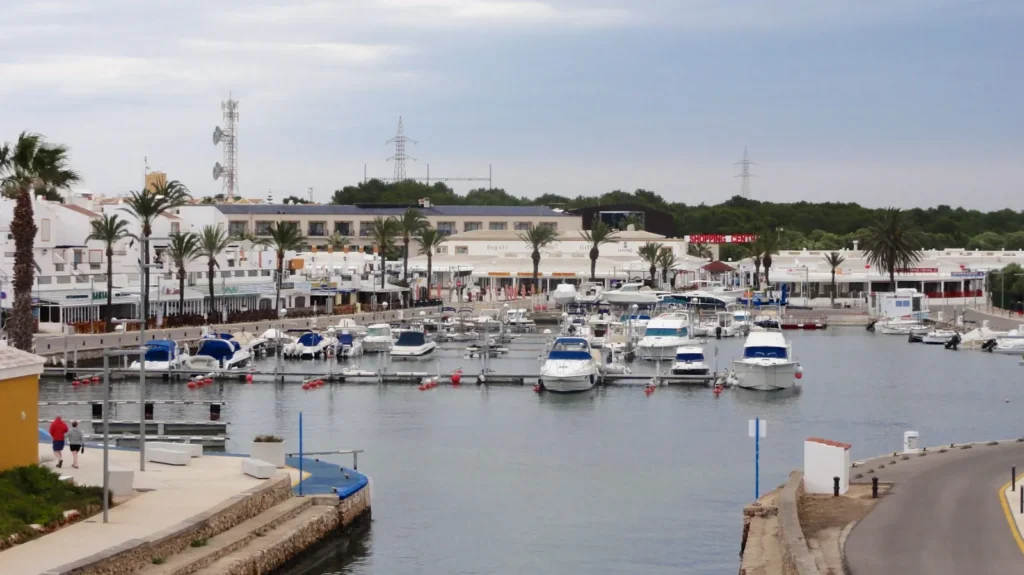
Mallorca, Menorca, Ibiza and Formentera are among the busiest yachting areas in Europe. Palma is one of the Mediterranean’s main refit and superyacht hubs, and the islands are home to large charter fleets and thousands of privately owned yachts. That means a steady flow of deliveries: owners bringing yachts to the islands for the season, buyers taking them home, and yachts moving to and from the yards for winter work.
Routes to the Balearic Islands
From Barcelona and Catalonia
The crossing from Barcelona to Palma or the north of Mallorca is around 110–130 nautical miles — typically an overnight passage. It is the natural route for yachts coming from France or down the Catalan coast.
From Valencia and Dénia
Ibiza is the shortest hop from the mainland: from Dénia it is roughly 55 nautical miles, from Valencia around 80. Many deliveries to Ibiza and Formentera take this route.
From Málaga, Gibraltar and the Atlantic
Yachts coming into the Mediterranean through the Strait of Gibraltar follow the Costa del Sol and Costa Blanca, usually stopping in Almería, Cartagena or Alicante. From Málaga to Palma is roughly 420 nautical miles — two to three days at sea, or longer with fuel and weather stops.
From France and Northern Europe
Yachts coming down from the north arrive either via the Atlantic and Gibraltar or through the French canals to the Rhône and Port-Saint-Louis. From the French coast, the crossing to Menorca or Mallorca passes the Gulf of Lion, where the mistral and tramontane can blow hard with little warning. See our guides to the French canals and Scandinavia to the Mediterranean.
Weather and the best season
April–June and September–October are the best months for a delivery to the islands: the weather is generally settled and marinas have berths available. In July and August, berths in Palma, Ibiza and Port d’Andratx are scarce and expensive, so arrival needs to be booked well in advance. In winter, northerly gales from the Gulf of Lion and easterly levante winds can close the crossing for days at a time, so the schedule needs to be flexible. Read more in our guide to Mediterranean winds.
Anchoring rules: protecting the posidonia
The seabed around the Balearics is covered with large meadows of Posidonia oceanica, a protected seagrass. Anchoring over posidonia is prohibited, and yachts may only anchor on sand or use the mooring buoys provided in the official buoy fields, which are booked online. Environmental patrols check anchorages throughout the season and can order a yacht to move, and the Guardia Civil can impose fines based on the damage to the seabed. On a delivery, we plan overnight stops in marinas or on a confirmed buoy rather than risking a fine at anchor.
Paperwork and tax
- EU yachts: a yacht arriving from another EU country does not need customs clearance, but she must carry her registration, insurance and VAT documents.
- Non-EU yachts: yachts from outside the EU can usually stay under temporary admission for up to 18 months, provided the owner lives outside the EU.
- Spanish residents: a Spanish resident using a foreign-flagged yacht in Spain may have to pay the Spanish registration tax (impuesto de matriculación). This should be checked with a tax adviser before the yacht arrives.
- Insurance: third-party liability insurance is mandatory in Spain. Our delivery insurance checklist covers what to check.
Yacht delivery to the Balearics with Nordic Crew Worldwide
We are based in Málaga, so the Balearics are home waters for our Scandinavian captains. We deliver sailing yachts, motor yachts and catamarans to, from and between the islands, plan the crossing around the forecast and the marinas, and handle the paperwork with you. All deliveries are covered by our own professional skipper insurance. Request a quote for a Balearic delivery — or read about our services en español.
Related guides
- Mediterranean yacht delivery routes
- Where to winter in the Med
- What a yacht delivery costs
- Yacht delivery to the French Riviera
Frequently asked questions
How long does a yacht delivery from Barcelona to Mallorca take?
The crossing is around 110–130 nautical miles, usually one night at sea. Plan a day either side for checks and weather.
Can I anchor anywhere in the Balearic Islands?
No. Anchoring over posidonia seagrass is prohibited. Yachts may only anchor on sand or use the official mooring buoys, which are booked online.
When is the best time to deliver a yacht to the Balearics?
April–June and September–October. Summer berths are scarce and expensive, and winter northerlies and levante winds can delay the crossing.
Does a yacht from France need customs clearance in Mallorca?
No. France and Spain are both in the EU, so there is no customs clearance, but the yacht must carry her registration, insurance and VAT documents.