
Short answer: professional delivery crews deal with heavy weather mainly by avoiding it: careful weather routing, waiting for safe windows and choosing routes with shelter. When strong wind or big seas still arrive, the crew reduces sail early, secures the yacht and crew, keeps well away from lee shores and uses proven tactics — such as heaving to, running off with a drogue or slowing down and taking the waves at the right angle — depending on the yacht and the sea. Rest, food and seasickness management keep the crew able to make good decisions.
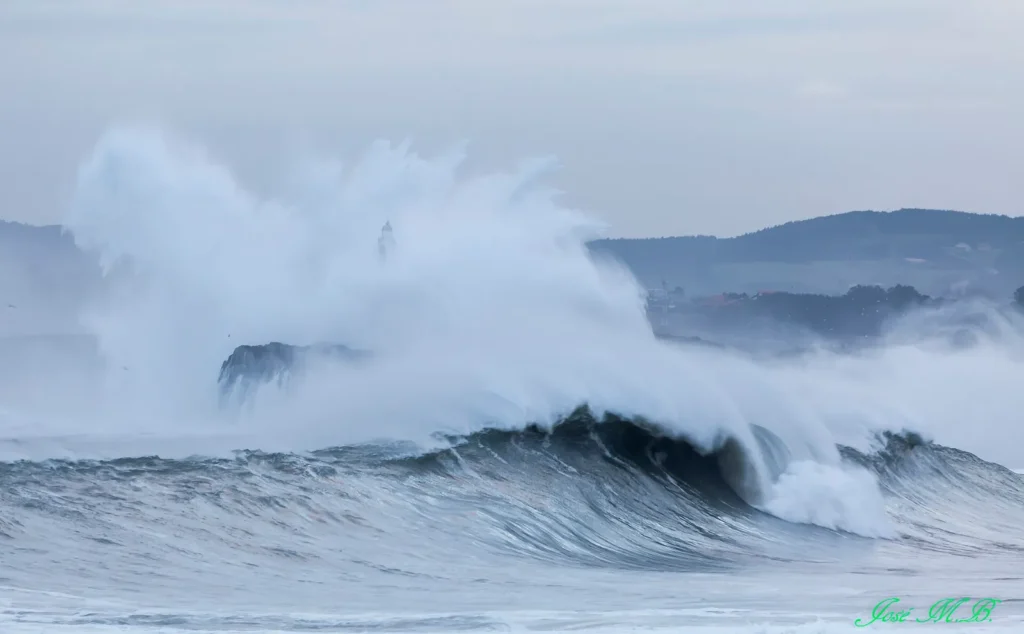
Owners sometimes worry about what happens if their yacht meets bad weather during a delivery. In reality, most of the work happens before departure: the skipper’s main job is to keep the yacht out of conditions she should not be in. But at sea, forecasts are never perfect, so every professional crew is prepared for weather that is worse than expected. This guide explains how.
Avoidance comes first
- Weather routing: several forecast models and ensembles are compared before every leg, and the departure is timed for a safe window. Read our weather routing guide.
- Escape routes: every leg is planned with harbours that can be entered safely in the expected conditions.
- Patience: waiting in port is always better than leaving into a gale. See why deliveries wait for weather.
Preparing the yacht
- Reef early — long before the wind arrives — and have storm sails or a deep-reefed headsail ready on sailing yachts.
- Close hatches and portlights, secure everything below decks and in lockers, and check the cockpit drains.
- Rig jacklines, check the bilge pumps and keep the engine and fuel system ready. Read about fuel problems in rough seas.
- Prepare hot food and drinks in advance, while it is still possible to cook.
Preparing the crew
- Lifejackets and harnesses on, and clipped on in the cockpit and on deck. See our guide to man overboard prevention.
- Shorter watches if needed, so the helm is always alert, and rest for the off-watch crew.
- Seasickness tablets taken early, and plenty of water.
- A clear plan: who does what, and when the skipper must be called.
Tactics at sea
Keep sea room
The biggest danger in a gale is often not the open sea but the coast. A lee shore — land downwind of the yacht — leaves no room for error, so the crew keeps well offshore or heads for a harbour that is safe to enter in the conditions.
Heaving to
On many sailing yachts, heaving to — backing the headsail and lashing the helm so the yacht lies quietly at an angle to the waves — lets the crew rest, eat or deal with a problem while the yacht drifts slowly.
Running off
In bigger seas, the yacht may run downwind under minimal sail, sometimes towing a drogue to slow her down and keep the stern to the waves.
Motor yachts
Motor yachts slow down and take the waves at the angle that gives the safest, most controlled motion — often slightly off the bow. Planing yachts usually come off the plane in a big sea. Read our comparison of motor and sailing yacht deliveries.
The right tactic depends on the yacht, the sea state and the crew, which is why experience matters.
After the weather
Once the wind eases, the crew checks the yacht: the rig, steering, bilges, engine and any damage, and reports to the owner. Any issues are noted for the handover report.
Safe deliveries with Nordic Crew Worldwide
Our Scandinavian captains have grown up sailing in demanding northern waters and plan every delivery to avoid heavy weather wherever possible — and to handle it safely when it comes. All deliveries are covered by our own professional skipper insurance. Request a quote for your yacht delivery.
Related guides
- Crossing the Bay of Biscay
- Offshore safety equipment checklist
- Yacht delivery in winter
- Thunderstorms and lightning at sea
Frequently asked questions
How do delivery crews avoid heavy weather?
By careful weather routing, waiting for safe windows, and planning every leg with harbours that can be entered safely in the expected conditions.
What is heaving to?
A sailing tactic where the headsail is backed and the helm lashed so the yacht lies quietly at an angle to the waves, drifting slowly while the crew rests or deals with a problem.
Why is a lee shore dangerous in a gale?
With land downwind, there is no room for error — a broken engine or torn sail can put the yacht ashore. Crews keep sea room or head for a safe harbour.
How do motor yachts handle big seas?
They slow down and take the waves at the angle that gives the safest motion, often slightly off the bow; planing yachts usually come off the plane.