
Short answer: yes, a yacht delivery in winter is possible, and it often makes sense — the yacht is ready for spring, yards and crews have more time, and marinas are quiet. But winter deliveries need a flexible schedule, an experienced crew and a yacht prepared for cold, gales and long nights. Some routes work well from November to March, while others, such as the Bay of Biscay or the North Sea, call for great care.
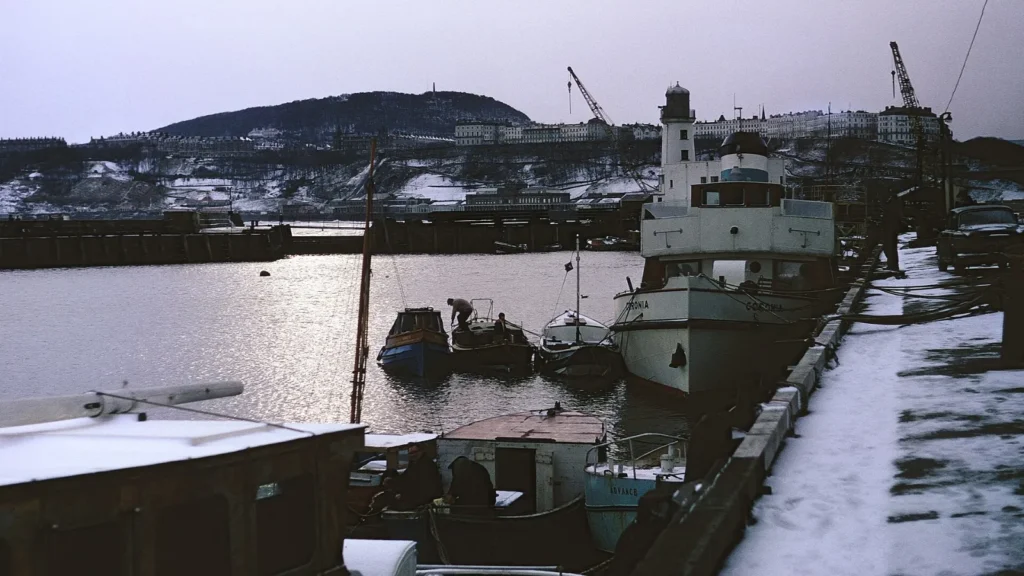
Most owners think of yacht deliveries as a spring and autumn job. In practice, many yachts move in the winter months: to reach a yard for a refit, to be in place for the first charters, to follow a new owner after a sale or to cross the Atlantic with the trade winds. This guide explains when a winter delivery is a good idea, which routes work, and how a professional crew plans one.
Why deliver a yacht in winter?
- Ready for the season: a yacht moved in winter arrives in time for spring maintenance and is ready to use as soon as the season starts.
- Yard and refit schedules: many yards have their best availability, and their best prices, between November and March.
- After a sale: yachts are often bought in autumn, and the new owner wants her in the home port before spring.
- Quiet marinas: berths are easier to find and often cheaper along the way.
- Trade-wind season: the classic Atlantic crossing from the Canaries to the Caribbean runs from late November to January.
Which routes work in winter?
Within the Mediterranean
The Mediterranean is the most common winter delivery area. Weather systems pass through more often than in summer and the mistral, tramontane, bora and levante can blow hard, but most passages are short enough to fit between two systems. With a flexible start date, deliveries along the Spanish, French and Italian coasts and out to the islands are routine. See our overview of Mediterranean routes.
To and from the Canaries and across the Atlantic
From Gibraltar or Portugal, the route south to the Canary Islands is often pleasant in late autumn, and from late November the trade winds carry yachts from the Canaries to the Caribbean. See our guide to delivering a yacht from the Mediterranean to the Caribbean.
Northern Europe and the Bay of Biscay
The North Sea, the English Channel and the Bay of Biscay see frequent Atlantic gales from October to April. A winter crossing of Biscay is possible, but it may mean waiting days or weeks for a safe window, so it suits owners with a flexible timeline. In the Baltic and Scandinavia, ice, frozen harbours and very short days make deliveries from December to March difficult, and many marinas close their facilities.
How we plan a winter delivery
- Flexible start date: we agree a departure window rather than a fixed day, and leave when a reliable weather window opens. Our weather routing guide explains how we choose it.
- Shorter legs: we plan the route with more stops and a safe harbour for every leg, so the crew can wait out a gale in port rather than at sea.
- Experienced crew: long, cold nights are tiring, so we often add a crew member and plan a watch system that keeps everyone rested. See our guide to crew size and watch systems.
- Yacht preparation: heating, good lighting, charged batteries, fresh fuel filters, and a check for diesel bug in fuel that has stood since the summer. Our preparation checklist covers the details.
- Safety equipment: immersion suits or drysuits for cold water, lifejackets with lights and personal AIS beacons, and jacklines rigged before departure. Read our offshore safety checklist.
- Fuel and marina hours: many fuel docks and marina offices have shorter hours in winter, so we confirm them before each leg.
Check the insurance before a winter delivery
Many yacht insurance policies have seasonal navigation limits or a laid-up period in winter, especially in Northern Europe. If the yacht is to move during that period, the owner must ask the insurer to extend the cover for the delivery. We check this with you before every winter trip — see our delivery insurance guide.
Winter yacht delivery with Nordic Crew Worldwide
Our Scandinavian captains have grown up sailing in cold, demanding waters and deliver yachts all year round. From our base in Málaga we cover the Mediterranean, the Atlantic coast and Northern Europe, plan every winter delivery around safe weather windows and stopovers, and keep you updated from the dock to the handover. All deliveries are covered by our own professional skipper insurance. Plan your winter delivery with us.
Related guides
Frequently asked questions
Is it safe to deliver a yacht in winter?
Yes, with the right planning: a flexible departure window, short legs between safe harbours, an experienced crew and a yacht prepared for cold weather.
Which routes are best for a winter yacht delivery?
Passages within the Mediterranean, south to the Canary Islands and across the Atlantic with the trade winds work well. The Bay of Biscay, the North Sea and the Baltic need much more care.
Is a yacht delivery cheaper in winter?
Marina berths are often cheaper, but waiting for weather can add days to the trip. The overall cost depends mostly on the route and how flexible the schedule is.
Does my yacht insurance cover a winter delivery?
Not always. Many policies have winter navigation limits or a laid-up period, so ask your insurer to extend the cover for the delivery.