
Short answer: diesel bug is microbial contamination — bacteria, yeasts and moulds — that grows where water collects at the bottom of a diesel tank. It forms a dark slime and sludge that clogs fuel filters and can stop the engine, often at the worst moment: in rough seas, when the sediment is stirred up. Prevention is simple: keep water out of the tank, keep tanks full during long lay-ups, use a biocide where appropriate, drain water separators and carry plenty of spare filters. Before a delivery, we check the fuel and filters on every yacht.
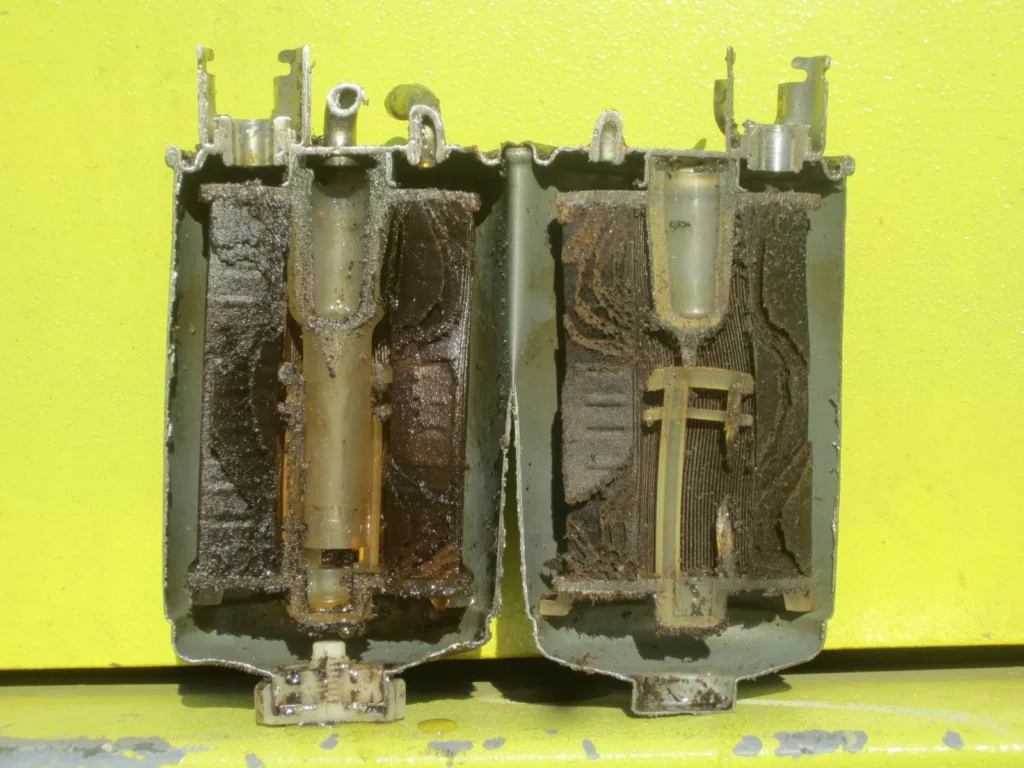
Fuel problems are among the most common causes of engine failure on yachts. A yacht that has been lying unused for months — after a winter lay-up, or while waiting to be sold — is especially at risk. This guide explains what diesel bug is, why it matters on a delivery, how to recognise it and how to prevent it.
What is diesel bug?
Diesel bug is not one organism but a mix of microbes that live at the boundary between fuel and water. Water gets into tanks through condensation, leaking deck fillers or contaminated fuel. The microbes feed on the fuel and multiply, forming a slimy layer, sludge and acids that can also corrode the tank. Modern road diesel in Europe contains a share of biodiesel (FAME), which attracts more water and can make the problem more common in boats that are used little.
Why it matters on a delivery
In a quiet marina, sludge lies at the bottom of the tank. On a delivery, the yacht rolls and pitches for days, the sediment is stirred up, and the filters clog — typically when the engine is needed most: entering a harbour in strong wind, motoring off a lee shore or crossing a busy shipping lane. That is why fuel is one of the first things we check before departure. Read our pre-departure inspection checklist.
Signs of diesel bug
- Dark slime or black particles in the fuel filter bowl or water separator.
- Filters that clog quickly or need frequent changing.
- The engine losing power, surging or stopping, especially in a seaway.
- A sour or unusual smell from the fuel.
- A fuel sample that is cloudy, with water or sediment at the bottom.
How to prevent it
- Keep water out: check deck filler seals and caps, and the tank vents.
- Drain the water separator regularly and check the bowl for water and slime.
- Keep tanks full during long lay-ups to reduce condensation. See our winterizing checklist.
- Use a biocide where appropriate, following the manufacturer’s dosage — especially before a lay-up.
- Buy fuel from busy fuel docks with a high turnover.
- Clean the tank when contamination is found, or have the fuel polished — filtering the fuel through a separate system to remove water and particles.
Before and during a delivery
- We take a fuel sample from the bottom of the tank, check the filters and water separator, and drain any water.
- If the fuel is contaminated, we recommend a tank clean or fuel polishing before departure — it is much cheaper than a breakdown at sea.
- We carry spare filters — usually several sets — and know how to change them and bleed the system under way.
- Yachts with a dual filter system can switch filters without stopping the engine, which is a big advantage offshore.
- On motor yachts, fuel quality matters even more, because the whole delivery depends on the engines. See our fuel range planning guide.
Safe deliveries with Nordic Crew Worldwide
Our Scandinavian captains check the fuel system on every yacht before departure and plan for problems before they happen. All deliveries are covered by our own professional skipper insurance. Request a quote for your yacht delivery — and read how to prepare your yacht for delivery.
Related guides
- Delivering an older or classic yacht
- Spring recommissioning checklist
- A day on a yacht delivery
- What happens if the engine fails at sea
Frequently asked questions
What is diesel bug?
Microbial contamination — bacteria, yeasts and moulds — that grows where water collects in a diesel tank, forming slime and sludge that clog fuel filters.
Why does diesel bug stop engines at sea?
In rough seas the sediment in the tank is stirred up and quickly clogs the filters, so the engine loses power or stops.
How can I prevent diesel bug on my yacht?
Keep water out of the tank, drain the water separator, keep tanks full during lay-ups, use a biocide where appropriate and clean or polish the fuel if contamination is found.
Do you check the fuel before a yacht delivery?
Yes. We check a fuel sample, the filters and the water separator before departure and carry spare filters on board.