
Short answer: before every delivery, a professional skipper carries out a pre-departure yacht inspection: hull and through-hull fittings, rig and sails, engine and fuel system, steering, electrics, navigation equipment, safety gear and documents. Anything that is unsafe for the planned passage is fixed before the yacht leaves, and the yacht is tested on a short sea trial. Only then does the skipper give the go-ahead.
Most problems on a delivery do not come from the sea itself, but from a part of the yacht that was already worn, blocked or badly fitted before departure. A careful inspection in port is the cheapest and safest way to avoid a breakdown offshore. This guide explains what we check, why it matters and what happens if we find a problem. If you are the owner, our checklist for preparing your yacht for delivery shows what you can do before we arrive.
Hull, deck and through-hulls
- Every seacock opens and closes freely, and hoses and hose clamps are sound — double clamps below the waterline.
- No signs of water ingress from the keel bolts, the rudder stock or the propeller shaft seal.
- Bilge pumps, both electric and manual, work and their float switches trigger.
- Hatches, portlights and lockers close properly and are watertight.
Rig and sails
- Standing rigging, terminals and chainplates are checked for cracks, corrosion and broken strands — from deck level, and aloft on longer passages.
- Split pins and rigging screws are secured, and the furling systems run smoothly.
- Sails, reefing lines and sheets are in good condition, and the reefing system has been tested before departure.
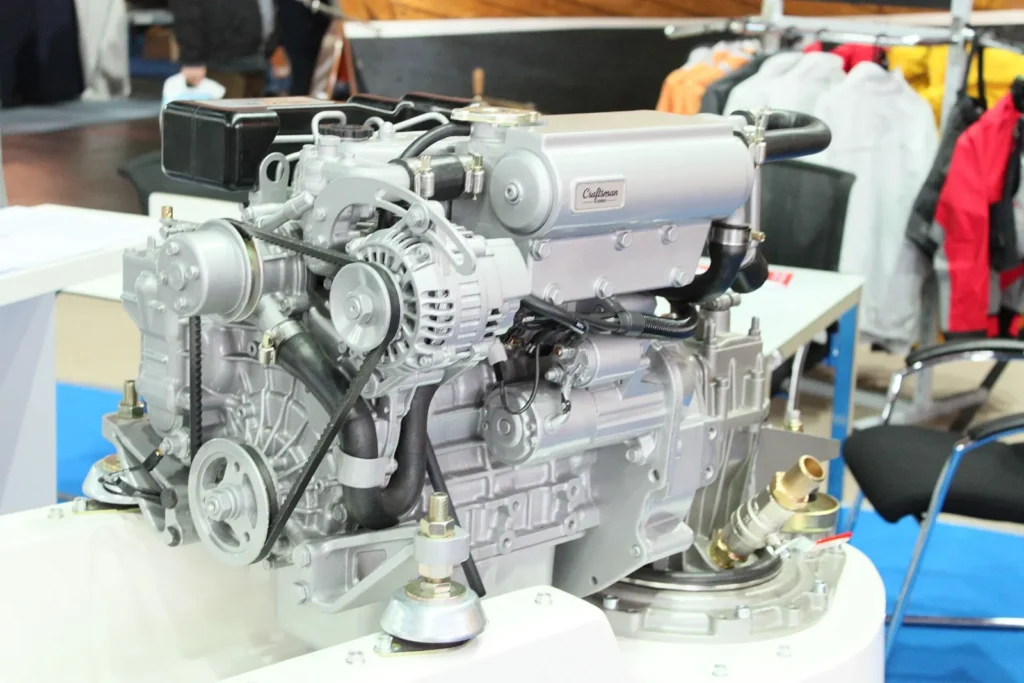
Engine and fuel system
- Oil and coolant levels, drive belts and the raw-water impeller — with spares on board.
- Fuel filters, and a check for water and diesel bug in the tank, especially after a long lay-up.
- Engine alarms, the exhaust and the cooling water flow, and the gearbox in forward and reverse.
- Fuel consumption and range for the legs ahead — critical on motor yachts. See our guide to fuel range planning for motor yachts.
Steering
- Steering cables or hydraulics, the quadrant and the autopilot drive.
- The emergency tiller is on board, fits and has been tried.
- The rudder bearings have no excessive play.
Electrics, navigation and communication
- Battery condition and charging from the engine, shore power and any solar panels.
- Navigation lights, chartplotter, compass, AIS and autopilot.
- VHF radio with DSC, the MMSI registration and a handheld backup.
- Up-to-date charts — electronic and paper backups — for the whole route.
Safety equipment
- The liferaft is serviced and in date, and the EPIRB is registered to the yacht and in date.
- Lifejackets, harnesses, jacklines, flares, fire extinguishers, the fire blanket and the first aid kit.
- Man-overboard equipment, and a grab bag ready by the companionway.
Our offshore safety equipment checklist lists everything we expect on board for an offshore passage.
Documents
Registration, proof of ownership or the owner’s authorisation, insurance valid for the route and the crew, VAT documents and the radio licence. Missing papers can stop a yacht at the first border or port. Read our delivery insurance guide for the insurance points.
The sea trial
After the checks in port, we take the yacht out for a short sea trial: engine under load, steering and autopilot, sails up and reefed, and the bilges checked afterwards. Many problems only show up under way, and it is much better to find them within sight of the marina than two days out.
What if we find a problem?
We report every finding to the owner with photos and a clear recommendation. Small issues are often fixed on the spot by our crew; larger ones are handled by a local yard. If something makes the yacht unsafe for the planned passage, we will not leave until it is fixed — it is the skipper’s responsibility, and the reason owners hire a professional crew. Afterwards, the same points are the starting point for our handover report.
Professional inspection with Nordic Crew Worldwide
Every delivery we do starts with a full inspection and a sea trial, carried out by our Scandinavian captains and, where needed, our engineer. You get a clear report before departure, and all deliveries are covered by our own professional skipper insurance. Request a quote for your yacht delivery.
Related guides
Frequently asked questions
What does a skipper check before a yacht delivery?
The hull and seacocks, rig and sails, engine and fuel system, steering, electrics and navigation equipment, safety gear and documents — followed by a short sea trial.
How long does a pre-departure inspection take?
Usually half a day to a full day, depending on the size and condition of the yacht. Larger yachts or yachts after a long lay-up can take longer.
What happens if the skipper finds a problem?
The owner gets a report with photos and a recommendation. Small issues are fixed on the spot; anything that makes the yacht unsafe is fixed before departure.
Why is a sea trial needed before a delivery?
Many faults only appear under way — under engine load, under sail or in a seaway — so it is safer to find them close to the marina than offshore.