
Short answer: delivering an electric or hybrid yacht is mostly about energy planning. Fully electric yachts usually have a limited range under motor, so the route is planned around charging stops, sailing (on sailing yachts) and the shore power available in each marina. Hybrid yachts can fall back on a diesel generator or engine for long legs. Battery condition, charging equipment, fire safety and insurance all need checking before departure. With the right plan, electric and hybrid yachts can be delivered safely over long distances.
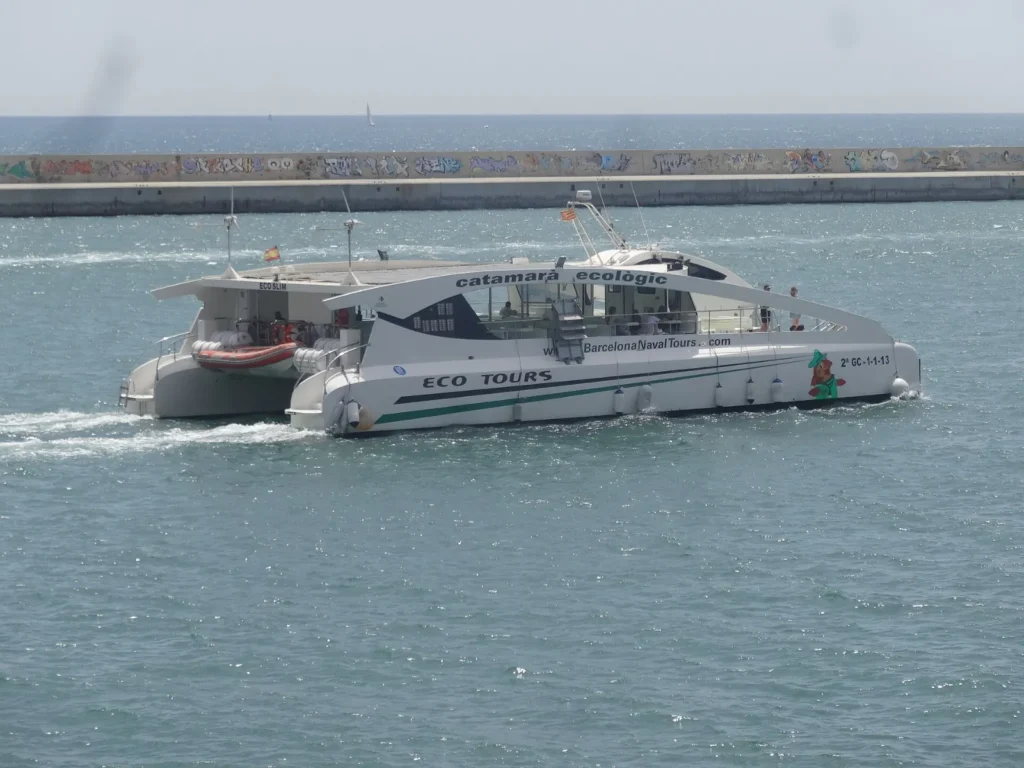
More and more new yachts and catamarans are built with electric or hybrid propulsion: electric motors powered by large lithium batteries, often charged by solar panels, hydrogeneration while sailing, a generator or shore power. They are quiet and efficient, but a delivery needs a different kind of planning from a conventional diesel yacht. This guide explains what we look at before and during the delivery of an electric or hybrid yacht.
Electric, hybrid or diesel-electric?
- Fully electric: propulsion comes only from the batteries. Range under motor is limited, so the yacht relies on sailing, solar and charging in port.
- Parallel hybrid: a diesel engine and an electric motor can both drive the propeller, so the yacht can use diesel for long legs.
- Diesel-electric (serial hybrid): the motor is electric, but a diesel generator can recharge the batteries under way, which greatly extends the range.
The type of system decides how the delivery is planned, so it is the first thing we ask about.
Planning range and charging
- Realistic range: we work out the range under motor at a realistic cruising speed and battery reserve, not the brochure figure. Range falls sharply at higher speeds, in head seas and in cold weather.
- Charging stops: we plan each leg around marinas with suitable shore power. Many marinas only offer standard 16 A or 32 A connections, so a full charge can take many hours.
- Sailing and regeneration: on sailing yachts and catamarans, sailing whenever possible saves the batteries, and some systems recharge them through the propeller while sailing.
- Solar: solar panels help, but on most yachts they cover the house load rather than long motoring legs, especially in northern waters and in winter.
- Reserve: as with fuel on a diesel yacht, we plan to arrive with a clear energy reserve. Read our guide to fuel and range planning for the same principle on motor yachts.
Checks before departure
- Battery health and software: the state of the battery bank, the battery management system and any error logs, ideally confirmed by the supplier or dealer.
- Charging equipment: shore power cables, adapters for different marina sockets, and the charger settings.
- Cooling and ventilation: motors, inverters and battery compartments must be cooled and ventilated as designed.
- Fire safety: lithium battery fires are rare but serious, so we check the manufacturer’s safety instructions, the fire-fighting equipment on board and the emergency procedures.
- Backup: on a fully electric yacht, we agree what to do if the batteries run low far from a charging point — sailing on, being towed or waiting for charge.
Our pre-departure inspection checklist covers the rest of the yacht.
Insurance and paperwork
Insurers may have specific requirements for yachts with large lithium battery banks, so it is worth confirming that the policy covers the delivery voyage, the route and the professional crew. Read our delivery insurance guide. The rest of the paperwork is the same as for any other yacht.
Sea delivery or transport?
For fully electric yachts with a short range, or for long passages with few charging options, transport by road or ship can be the better choice. Hybrid yachts with a generator are usually well suited to a sea delivery. Our comparison of delivery versus boat transport explains the trade-offs.
Delivering electric and hybrid yachts with Nordic Crew Worldwide
Our Scandinavian captains plan every electric and hybrid delivery around realistic range, charging stops and the weather, and work with the builder or dealer where needed. All deliveries are covered by our own professional skipper insurance. Tell us about your yacht and request a quote.
Related guides
- Catamaran delivery guide
- New yacht delivery from the shipyard
- What a yacht delivery costs
- Lithium batteries and fire safety
Frequently asked questions
Can an electric yacht be delivered by sea?
Yes, with careful energy planning: realistic range, charging stops at marinas with suitable shore power, sailing where possible and a clear reserve.
How far can an electric yacht motor on one charge?
It depends on the battery size and speed, and range falls sharply at higher speeds, in head seas and in cold weather. We calculate a realistic range before planning the route.
Is a hybrid yacht easier to deliver than a fully electric one?
Usually yes. A diesel generator or engine extends the range, so long legs between charging points are possible.
Are lithium batteries a fire risk on a delivery?
Battery fires are rare but serious, so we check the manufacturer’s safety instructions, the battery management system and the fire-fighting equipment before departure.