
Short answer: the Baltic and Scandinavia are among the best cruising grounds in Europe, but they have their own rules for a delivery crew. The season runs from about May to September; the sea is almost tideless but water levels change with the wind; the Danish straits are crossed by high bridges with fixed clearances; the Swedish and Finnish archipelagos demand careful pilotage; and the northern Baltic can freeze in winter. Plan around these, and a Baltic delivery is short, sheltered and rewarding. It also explains the seasons that shape every route.
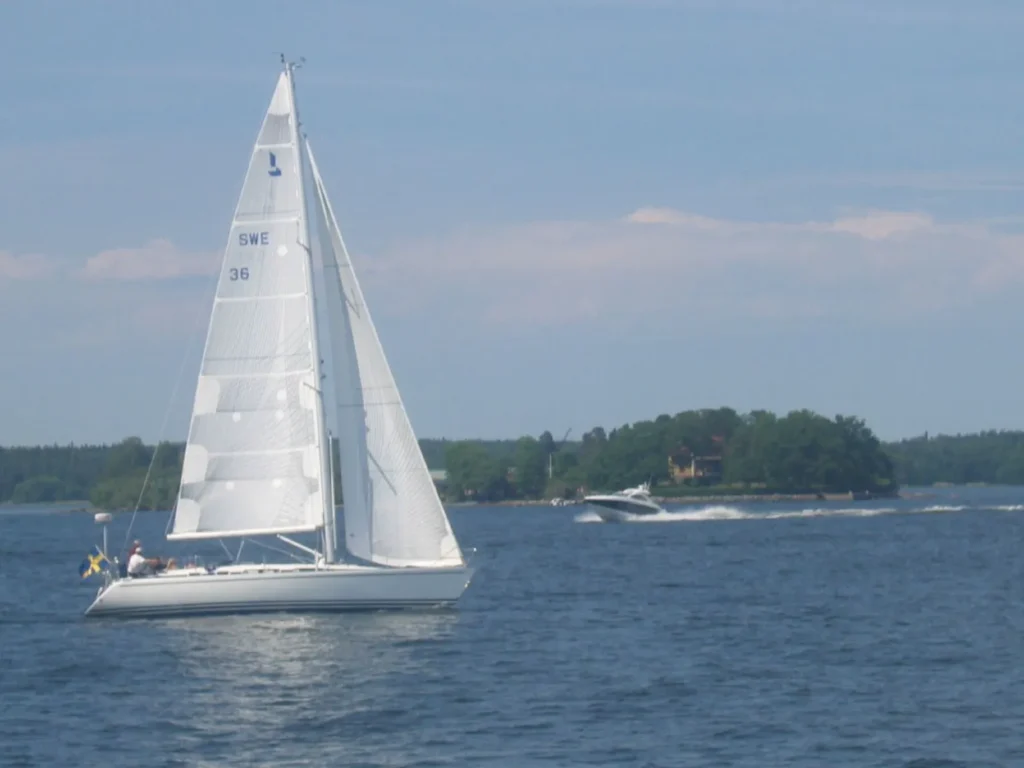
As a Scandinavian company, Scandinavia is home water for Nordic Crew Worldwide. This guide covers the main routes, the passages that decide them, and what owners should know before moving a yacht to, from or within the Baltic.
The Baltic at a glance
| Feature | What it means for a delivery |
|---|---|
| Brackish, shallow sea | Short, steep waves in strong winds; many shallow areas near the coast |
| Very small tides | Little tidal planning, but wind can raise or lower water levels noticeably |
| Danish straits | The only natural links to the North Sea: the Sound (Øresund), the Great Belt and the Little Belt |
| Archipelagos | Thousands of islands and rocks off Sweden and Finland; well marked but unforgiving |
| Winter ice | The Gulf of Bothnia and Gulf of Finland usually freeze; deliveries stop in winter |
| Long summer days | Near-continuous daylight around midsummer makes night passages easier |
Main delivery routes
- Baltic → North Sea via the Kiel Canal: the shortest and most sheltered route from the western Baltic to the Elbe. Read our Kiel Canal yacht guide.
- Baltic → North Sea via Skagen: north through the Sound or the Great Belt, across the Kattegat and round Skagen into the Skagerrak — the natural choice for Norway and the west coast of Sweden.
- Within the Baltic: Denmark, Germany, Poland, Sweden, Finland and the Baltic states, often hopping between well-equipped harbours.
- Scandinavia → Mediterranean: the classic long delivery south. See our Scandinavia to Mediterranean guide and the North Sea and English Channel guide.
The Danish straits and their bridges
Every yacht entering or leaving the Baltic by sea (rather than the Kiel Canal) passes through Danish waters. Check the mast height against the bridges first:
- The Great Belt (Storebælt): the main deep-water route used by large ships. The East Bridge has a navigational clearance of about 65 metres, so almost every yacht passes underneath. Follow the marked route and keep clear of the shipping lane.
- The Sound (Øresund): between Copenhagen and Malmö. The Øresund Bridge has a clearance of about 57 metres over the main span; part of the crossing is a tunnel, and yachts can also pass over the tunnel section via the Drogden channel, which has a limited depth.
- The Little Belt (Lillebælt): narrow and winding with noticeable currents; a scenic but slower option.
Currents in the straits are driven mainly by wind and water-level differences between the Baltic and the Kattegat rather than by the tide, and can run strongly after a period of steady wind.
Sweden, Finland and the archipelagos
The Stockholm archipelago and the Finnish Archipelago Sea are spectacular and well buoyed, but the rocks are close to the channels. A delivery crew uses up-to-date electronic and paper charts, follows the marked fairways, and avoids night passages through narrow sections unless the route is well known.
The Göta Canal crosses Sweden from Gothenburg to the Baltic coast via the great lakes Vänern and Vättern. It is a beautiful short cut, but its locks limit the size of boat, it is slow, and it is mainly open in summer — check the canal company’s current dimensions and opening dates before planning.
Norway
Norway’s coast is long, deep and dramatic. The Skagerrak between Denmark and Norway can produce rough, confused seas in strong westerlies. Inside the skerries the water is sheltered, but distances are large, weather changes quickly and harbours of refuge must be planned. The Norwegian Meteorological Institute’s forecasts are the reference for Norwegian waters.
Season and weather
- May–June: long days and often settled weather, but cold water and cold nights.
- July–August: the main season; busy harbours, warmer conditions, occasional thunderstorms.
- September: still a good month, with more frequent autumn lows towards the end.
- October–April: gales, cold and ice in the northern Baltic; most yachts are laid up.
Good forecast sources include DMI (Denmark), SMHI (Sweden), the Finnish Meteorological Institute and MET Norway, plus the regular navigational warnings.
Things that catch crews out
- Firing and military exercise areas along several coasts — check the notices and listen to the navigational warnings.
- Restricted zones: some waters near military areas and national borders are closed or restricted. Plan the route well clear.
- Offshore wind farms in Danish, German and Swedish waters — rules for small craft vary.
- Water level: strong winds can raise or lower the water level in harbours and approaches, which matters for deep-draught yachts.
- Cold water: even in summer, a person in the water cools quickly. Life jackets, harnesses at night and a practised man-overboard routine are essential.
Preparing the yacht
A Baltic delivery needs the same preparation as any other: engine service, safety equipment, updated charts and the yacht’s papers on board. If the yacht is leaving the EU — for example to Norway — remember customs formalities. Use our preparation checklist and the offshore safety equipment checklist.
Baltic deliveries with a Scandinavian crew
Our captains and officers are Scandinavian and have spent their careers on these waters — on passenger ships, patrol vessels and traditional ships. We plan Baltic deliveries around bridge clearances, water levels and the local forecasts, and we know the harbours. See our services, meet the crew or request a free quote.
Related guides
- Kiel Canal for Yachts: Rules, Locks, Fees & Overnight Stops
- Yacht delivery in Europe
- Scandinavia to Mediterranean yacht delivery
- Yacht delivery to Norway
Frequently asked questions
When is the best time for a yacht delivery in the Baltic?
From May to September. Days are long and the weather is usually settled; from October gales become more frequent and the northern Baltic can freeze in winter.
Does the Baltic Sea have tides?
Only very small ones. Water levels change more with the wind than with the tide, which can matter for deep-draught yachts in harbours and approaches.
How high are the bridges over the Danish straits?
The Great Belt East Bridge has a navigational clearance of about 65 metres and the Øresund Bridge about 57 metres over its main span, so almost all yachts can pass under them.
Can a yacht cross Sweden by canal?
Yes, the Göta Canal links Gothenburg with the Baltic coast via the lakes Vänern and Vättern, but its locks limit boat size and it is mainly open in summer.