
Short answer: a sea trial before buying a yacht is a test sail or test run that shows how the yacht and her systems behave under way. A good sea trial checks the engine under load and at full revs, the gearbox, steering and autopilot, the sails and rig on a sailing yacht, the electronics, the bilges after running, and how she handles in the conditions you expect to use her in. It is usually done together with a survey, and anything found is used to renegotiate the price or agree repairs before the sale — and before any delivery to her new home port.
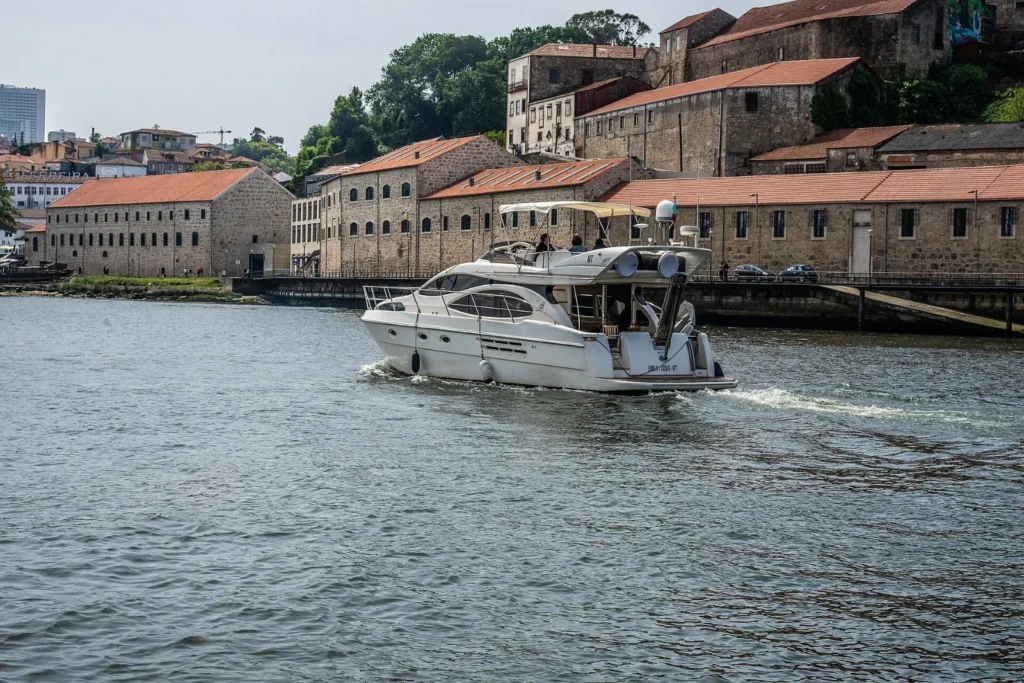
A sea trial is one of the last and most important steps before signing the final contract for a used yacht, and a common step for new yachts at handover. It is also the first time the yacht will be pushed a little, which makes it the moment to find problems that do not show at the dock. This checklist covers what to look at, and how a sea trial fits together with the survey and the delivery.
Before you leave the dock
- Check the engine cold: oil level and colour, coolant, belts, hoses and signs of leaks. Note how easily the engine starts.
- Look in the bilge — it should be dry or nearly dry before the trial, so you can compare afterwards.
- Check that the batteries are charged and that all systems are switched on: instruments, autopilot, navigation lights, pumps.
- Agree with the seller or broker the route, the duration and who is in charge on board.
Engine and drivetrain under way
- Run up to full revs: the engine should reach its rated maximum RPM without overheating or excessive smoke. Then run at cruising revs for a sustained period.
- Temperatures and pressures: watch the engine temperature, oil pressure and alarms throughout.
- Exhaust: a steady flow of cooling water and no heavy smoke.
- Gearbox and shaft: smooth engagement forward and astern, no unusual noises or vibration.
- Speed and consumption: on motor yachts, note the speed and fuel use at different revs — it matters for range. See our fuel range planning guide.
Steering, handling and autopilot
- Steering should be smooth, without stiffness or excessive play, in both directions.
- Try the autopilot on different headings and in some waves.
- Test the bow and stern thrusters, if fitted, and practise manoeuvring in a confined space.
- On a planing motor yacht, check how she comes onto the plane and behaves at speed.
Sails and rig (sailing yachts)
- Hoist and furl all sails, and check them for wear, UV damage and correct shape.
- Reef the main and the headsail — the reefing system must work smoothly.
- Check the winches, clutches, running rigging and the furling gear under load.
- Sail upwind and downwind and watch the rig: shroud tension, mast movement and any noises.
Systems and electronics
- Chartplotter, depth, wind and speed instruments, AIS and VHF.
- Charging from the engine alternator, and any generator, inverter or solar panels.
- Fresh water, heads, refrigeration and, on larger yachts, air conditioning and the watermaker.
After the trial
- Check the bilge again — new water may point to a leak at the shaft seal, rudder stock or a fitting.
- Look over the engine for new leaks, smells or overheated parts.
- Write down everything you found, and discuss it with your surveyor and broker.
Sea trial, survey and delivery
The sea trial is usually done together with a survey, often including a lift-out to inspect the hull below the waterline. Together they tell you whether the yacht is ready for her delivery home and what must be fixed first. If you have bought the yacht abroad, the delivery can often be planned so that the crew collects her right after the handover — read our guides to buying a yacht abroad and our pre-departure inspection, which repeats many of these checks before departure.
From sea trial to home port with Nordic Crew Worldwide
Once the sale is agreed, our Scandinavian captains can take over the yacht and deliver her safely to her new home port anywhere in Europe — starting with our own inspection and sea trial before departure. All deliveries are covered by our own professional skipper insurance. Request a quote for your delivery.
Related guides
Frequently asked questions
What should I check on a yacht sea trial?
The engine under load and at full revs, temperatures and alarms, the gearbox, steering and autopilot, sails and rig on a sailing yacht, the electronics and systems, and the bilge before and after.
How long should a sea trial take?
Long enough to run the engine at full and cruising revs for a sustained period and test all systems — usually at least a couple of hours.
Is a sea trial the same as a survey?
No. A survey inspects the yacht’s structure and systems, often with a lift-out; a sea trial tests how she performs under way. They are usually done together.
What happens if problems are found on a sea trial?
They are discussed with the surveyor and broker and used to agree repairs or adjust the price before the sale is completed.