
Short answer: a yacht delivery to Croatia usually comes across the Adriatic from Italy, up from Greece through the Strait of Otranto, or all the way from the western Mediterranean via the Strait of Messina. The best months are May–June and September–October. Every foreign private yacht needs the Croatian nautical vignette, and everyone who sleeps aboard pays the nautical tourist tax. Yachts arriving from outside the EU, for example from Montenegro, must first clear in at an official port of entry.
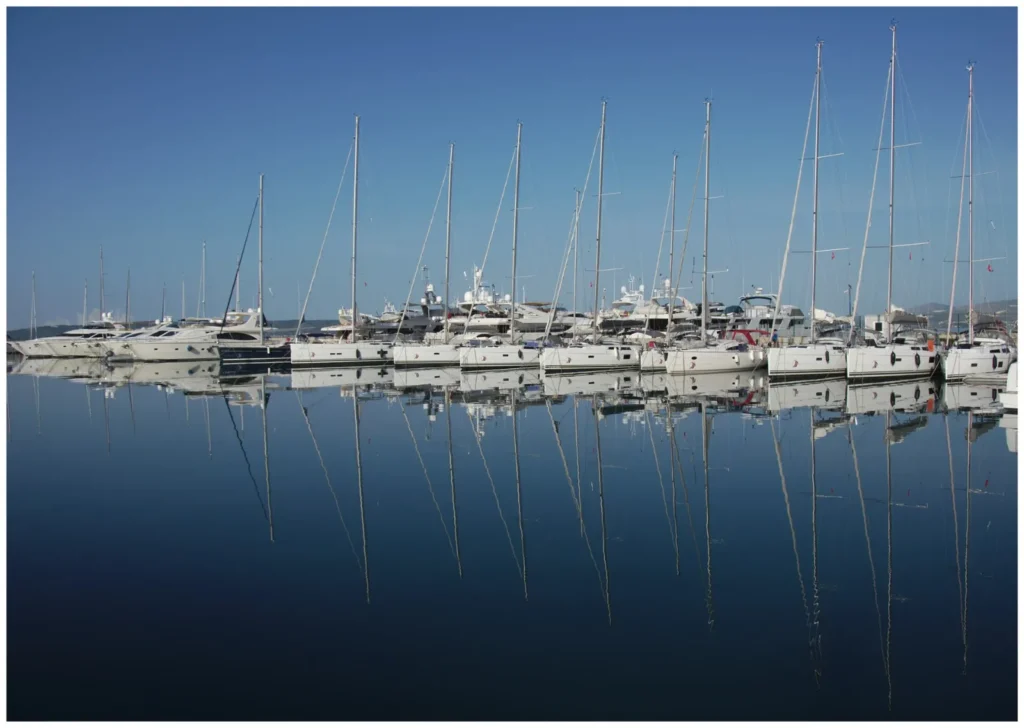
Croatia has more than a thousand islands, some of the largest charter fleets in Europe and a dense network of marinas from Istria to Dubrovnik. That makes it one of the most common destinations — and starting points — for deliveries in the Mediterranean: owners moving to a new home port, buyers collecting a yacht from a charter fleet, and charter companies bringing new boats to their bases. This guide covers the routes, the weather, the paperwork and what a professional crew plans for.
The main routes to and from Croatia
From Italy across the Adriatic
The shortest way in. From Ancona, Pescara or Venice, the crossing to Istria or the Zadar–Šibenik area is a day or a night at sea. It is the usual route for yachts bought or built in Italy and for boats coming down the Italian coast from the north.
From Greece and the Ionian
Yachts heading north from Corfu or the Ionian islands pass the Strait of Otranto and follow the Albanian and Montenegrin coast, or cross to the Italian side, to reach Dubrovnik. Plan on two to three days at sea. If the yacht stops in Montenegro or Albania on the way, it leaves the EU and must clear back in at a Croatian port of entry. Our Greece delivery guide covers the southern end of this route.
From the western Mediterranean and Spain
From the Balearics or our home base in Málaga, the route runs past Sardinia and Sicily, through the Strait of Messina and north into the Adriatic — roughly 1,300 nautical miles from the Spanish coast. With fuel and weather stops, plan on about two weeks. See our overview of Mediterranean routes for the legs and stopovers.
Weather: bora and jugo
The Adriatic has two winds every delivery skipper plans around. The bora (bura) is a cold, gusty north-easterly that falls off the mountains with very little warning and can reach gale force, especially around Senj, the Velebit channel and Trieste. It is most frequent in winter but can blow in any season. The jugo is a warm south-easterly that builds over a day or two and brings long swell, rain and poor visibility to the southern Adriatic.
May–June and September–October usually give the most stable conditions and quieter marinas. July and August are busy, with afternoon sea breezes and occasional thunderstorms. In winter, a delivery is possible but needs a flexible schedule and good shelter options. Read more in our guide to Mediterranean winds and our weather routing guide.
Entering Croatia: ports of entry
Croatia is part of both the EU and the Schengen area, so a yacht arriving directly from another Schengen country, such as Italy, does not need customs or passport clearance. A yacht arriving from outside the EU — Montenegro, Albania or Turkey, for example — must go straight to a port of entry open to international traffic and clear customs, police and the harbour master.
Ports of entry include Umag, Poreč, Rovinj, Pula, Rijeka, Zadar, Šibenik, Split and Dubrovnik (Gruž), with Cavtat open in the summer season. Coming from the south, Cavtat or Dubrovnik is the natural first stop. Coming from the north, Umag is the first.
Fees and paperwork for a foreign yacht
- Nautical vignette: covers the navigation safety fee, arrival registration and environmental charges. It is valid until 31 December of the year it is issued and is paid through the Croatian Ministry of the Sea’s eNautics system. The first time a particular yacht enters Croatia, it registers in person with a harbour master’s office.
- Nautical tourist tax: paid for each person who sleeps aboard, for the length of the stay. It is separate from the vignette — and it also applies to a delivery crew living on board.
- Crew list and skipper qualifications: the crew list is registered in eNautics, and the skipper must hold a licence that Croatia recognises for the size of yacht.
- Ship’s papers and insurance: registration documents, proof of ownership or authorisation to operate the yacht, and insurance valid in Croatian waters. Our delivery insurance checklist lists what to check.
- VAT status: important for yachts arriving from outside the EU or bought from a charter fleet.
Rates change from year to year, so we confirm the current amounts with the harbour master or through eNautics before each delivery.
Buying an ex-charter yacht in Croatia
Croatia’s large charter fleets mean a steady supply of well-maintained used yachts, and many are sold at the end of the season. Before the yacht leaves its base, we check the rigging, engine hours, safety equipment and charter-specific modifications, and we make sure the charter registration has been closed and the papers transferred to the new owner. Our guide to buying a yacht abroad and bringing her home covers the steps in more detail.
Yacht delivery in Croatia with Nordic Crew Worldwide
Our Scandinavian captains deliver sailing yachts, motor yachts and catamarans to, from and within Croatia, and handle the routing, the timing around bora and jugo, and the paperwork with you. All deliveries are covered by our own professional skipper insurance. Get a quote for your Croatian delivery.
Related guides
- Charter yacht repositioning
- Wintering your yacht in the Med
- How long a delivery takes
- Yacht delivery in Italy
Frequently asked questions
When is the best time to deliver a yacht to Croatia?
May–June and September–October usually give the most stable weather and quieter marinas. In winter the bora blows more often, so a delivery needs a flexible schedule.
Do I need to pay the Croatian vignette for a delivery?
Yes. Foreign private yachts pay the nautical vignette, and everyone sleeping aboard, including a delivery crew, pays the nautical tourist tax for the length of the stay.
Does a yacht from Italy need to clear customs in Croatia?
No. Italy and Croatia are both in the EU and Schengen, so there is no customs or passport clearance — but the yacht must still be registered and the vignette paid.
How long does a yacht delivery from Spain to Croatia take?
The route is roughly 1,300 nautical miles via the Strait of Messina. With fuel and weather stops, plan on about two weeks.