
Short answer: since 2020, a small group of Iberian orcas has been interacting with sailing yachts off the Atlantic coasts of Spain, Portugal and France and in the Strait of Gibraltar — often by pushing or biting the rudder. Interactions are most likely from late April to October, and the hotspots move during the year. Owners and delivery skippers reduce the risk by checking current interaction maps, timing the passage, and following the Cruising Association’s safety protocol if an interaction happens.
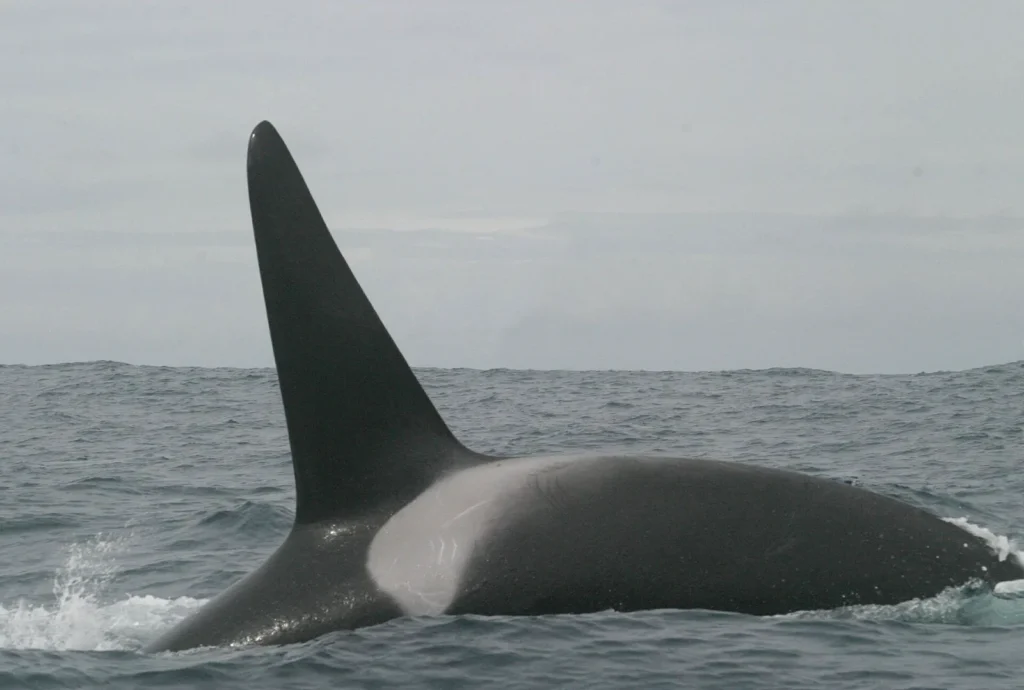
For anyone delivering a yacht from Northern Europe to the Mediterranean — or out to the Canaries — the Iberian coast is unavoidable. This guide from Nordic Crew Worldwide sums up where and when interactions happen, how we plan around them, and what to do if orcas approach your boat.
Where and when interactions happen
- Areas: the Strait of Gibraltar, the Atlantic coasts of Portugal and Spain (including Galicia), parts of the French Biscay coast (in 2023 as far north as Brest), the north Moroccan coast, and Spain’s Mediterranean coast up to around Marbella.
- Season: interactions are most likely from late April to October and much less common in winter.
- Movement: the orcas typically stay around the Strait of Gibraltar from April to early July, when bluefin tuna leave the Mediterranean, and then move west and north along the coast.
- Unpredictable: the pattern changes from year to year, so last year’s map is only a rough guide.
Which boats are affected?
Most reported interactions involve sailing yachts, and the orcas focus on the rudder. Damage ranges from none at all to a broken rudder that leaves the yacht unable to steer and in need of a tow. Motor yachts are reported less often. The Iberian orca is a protected species in Spain and Portugal, and some aggressive deterrents are illegal there.
How we plan a passage through “orca alley”
- Check current data. Before and during the passage we check the GTOA (Grupo de Trabajo Orca Atlántica) monthly interaction maps, the Cruising Association’s orca portal and the reporting apps.
- Route choice. Current guidance is to either stay inshore in water shallower than about 20 m, or keep well offshore, when crossing an area where orcas are reported. Inshore routes must be weighed against rocks, fishing gear and the tuna nets off Conil, Barbate, Zahara and Tarifa.
- Daylight transits. We plan to cross the higher-risk areas in daylight and under engine.
- Crew readiness. Lifejackets on, a lookout posted at all times, VHF channel 16 on, grab bag accessible and towing lines ready.
- Emergency numbers. Printed and posted at the chart table: Spain 900 202 202, Portugal 112, France 196.
What to do if orcas approach your yacht
There is no proven way to stop an interaction once it has started. The Cruising Association’s safety protocol focuses on keeping the crew safe:
- Contact the coastguard on VHF 16 and report your position.
- Keep the crew low in the cockpit, holding on, and away from the helm — let go of the wheel or tiller, because the orcas may strike the rudder.
- Follow the protocol the crew has rehearsed before the passage.
- Note the position, time and behaviour of the orcas for your report.
- If steering is damaged, request a tow via VHF 16 or 112.
Many skippers also report leaving the area and heading for shallower water — but this is experience from skippers, not tested guidance.
After the passage: report it
Reporting every passage — including those without an encounter — helps everyone. The Cruising Association collects anonymous passage reports, and the GT Orcas and Orcinus apps share sightings in real time.
What this means for owners
Orca interactions are a real risk on the Iberian coast, but with good timing, current data and a prepared crew most passages are completed without incident. When we deliver yachts south from Scandinavia, orca planning is part of every route plan — alongside the Bay of Biscay crossing and the full route to the Mediterranean.
Check that your insurance covers rudder damage and towing on the planned route, and read our preparation checklist. When you’re ready, request a free quote for your delivery.
Related guides
- Strait of Gibraltar by yacht: tides, winds and when to go
- Yacht delivery insurance: what to check
- Delivering a yacht along Portugal
Frequently asked questions
Where are orcas interacting with yachts?
Mainly in the Strait of Gibraltar and along the Atlantic coasts of Spain and Portugal, including Galicia, with reports also from the French Biscay coast, northern Morocco and Spain’s Mediterranean coast up to around Marbella.
When are orca interactions most likely?
From late April to October. The orcas typically stay near the Strait of Gibraltar from April to early July and then move west and north along the coast. The pattern changes each year.
What should you do if orcas interact with your yacht?
Call the coastguard on VHF 16, keep the crew low in the cockpit and away from the helm, let go of the wheel or tiller, follow your rehearsed protocol and record the details for a report. Request a tow via VHF 16 or 112 if steering is damaged.
How do delivery skippers reduce the risk of orca interactions?
By checking current GTOA interaction maps and reporting apps, crossing higher-risk areas in daylight, and either staying inshore in water shallower than about 20 m or keeping well offshore where orcas are reported.