
Short answer: an older or classic yacht can be delivered safely by sea, but she needs more preparation than a modern production yacht. The key points are a recent survey, the age and condition of the standing rigging, the through-hull fittings and hoses, the engine and fuel system, and — on wooden yachts — the condition of the hull and how much water she takes on. Insurers often ask for a survey on older yachts, and for some yachts and routes, transport by road or ship is the safer choice. A good delivery skipper will tell you honestly which option fits your yacht.
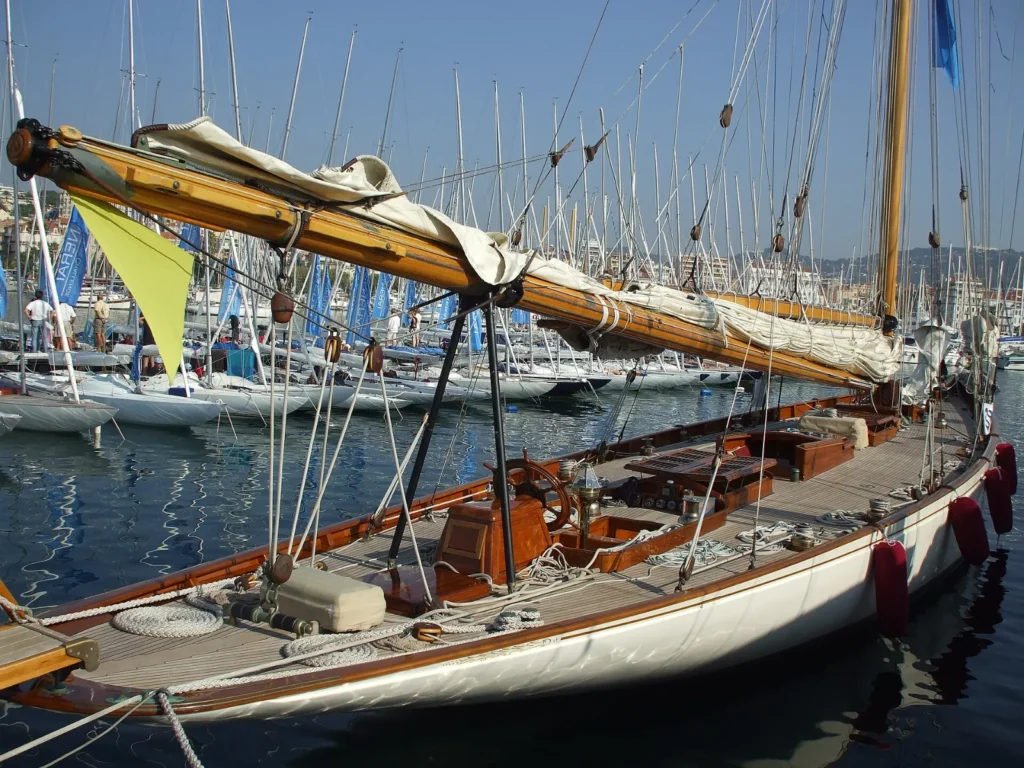
Classic yachts and well-kept older cruisers are often the most loved boats in any harbour. But age affects materials and systems in ways that may not show during a summer of day sailing. A delivery — often several days and nights at sea, sometimes in rough weather — puts more load on a yacht than most owners ever do. This guide explains what we look at before delivering an older or classic yacht, and how to prepare her.
Start with a survey
For an older yacht, a recent survey by a qualified marine surveyor is the best starting point. It shows the condition of the hull, deck, keel attachment, rudder, rig and systems, and it tells both the owner and the delivery skipper what must be fixed before an offshore passage. Many insurers also ask for a recent survey before they cover an older yacht for a delivery. Our delivery insurance guide explains what to check with your insurer.
What we look at on an older yacht
Rig and sails
Standing rigging ages even when it looks fine. Many riggers and insurers recommend replacing wire rigging after around 10–15 years, or sooner after heavy use. Terminals, chainplates and spreader roots are checked for cracks and corrosion, and old sails and reefing gear are checked for wear.
Through-hulls, hoses and seacocks
Old seacocks can seize or corrode, and hoses and clamps harden with age. Every fitting below the waterline is checked and, if needed, replaced before departure — a failure here can sink a yacht.
Engine and fuel system
An older engine may run well for short trips but struggle over many hours. We check the cooling system, belts, mounts, exhaust and gearbox, and make sure the fuel tank is clean — old tanks often hold sludge that blocks filters in a seaway. Spare filters and impellers go on board.
Wooden hulls
A wooden yacht that has been ashore for a long time may leak until the planks have taken up water and swelled. She should be afloat long enough before departure to settle, and the bilge pumps must be in perfect order. Deck leaks, fastenings and the keel bolts also need attention.
Electrics and safety equipment
Old wiring and batteries are a common source of problems. Navigation lights, the VHF, the bilge pumps and the safety equipment must all work and be in date. Our offshore safety checklist lists what we expect on board.
Planning the passage
- A more conservative weather window: an older yacht deserves a bigger safety margin, so we choose calmer windows and shorter legs where possible. Read about weather delays and how we handle them.
- A realistic speed: classic yachts are often slower under engine and need more time between ports.
- Spares and tools: older yachts need a well-stocked spares kit, because parts may not be available on the way.
- An experienced crew: classic rigs, tillers and older systems need sailors who know them.
Sea delivery or transport?
For some older yachts, especially very valuable classics or yachts that need significant work, transport by road or ship is the safer choice. Our comparison of delivery versus boat transport explains the trade-offs, and we are always happy to give you an honest recommendation.
Delivering classic and older yachts with Nordic Crew Worldwide
Our Scandinavian captains plan every delivery around the yacht in front of them. We start every delivery with a thorough inspection and a sea trial, give you a clear report of what needs to be done, and only leave when the yacht is ready. All deliveries are covered by our own professional skipper insurance. Tell us about your yacht and request a quote.
Related guides
- Preparing your yacht for delivery
- How to choose a delivery skipper
- Buying a yacht abroad
- Delivering a trawler yacht
Frequently asked questions
Can an old yacht be delivered by sea?
Yes, if she is in good condition. A recent survey, sound rigging, seacocks, engine and safety equipment are the key points before an offshore passage.
How old can standing rigging be before a delivery?
Many riggers and insurers recommend replacing wire rigging after around 10–15 years, or sooner after heavy use. A rigger can inspect it before departure.
Does my insurer need a survey before delivering an older yacht?
Often yes. Many insurers ask for a recent survey before they cover an older yacht for a delivery.
When is transport better than a sea delivery for a classic yacht?
For very valuable classics, yachts that need significant work, or routes and seasons with a high risk of heavy weather.